
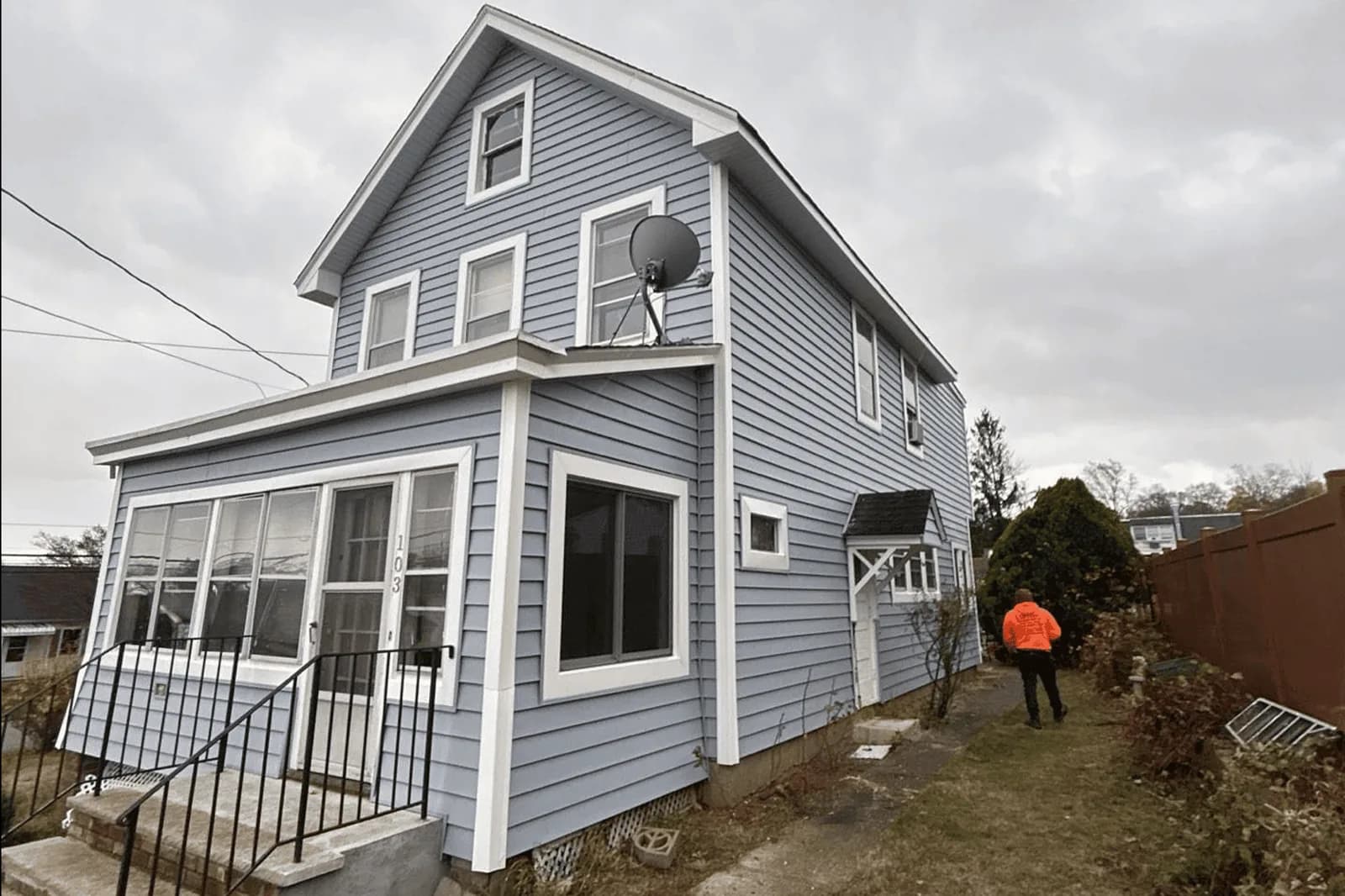
Record the symptom before covering it
A stain near a window or ceiling is a starting point for an assessment, not a diagnosis. Take a photo from a safe location, note the date, and record what the weather was doing. Avoid painting over the evidence before the source has been investigated.
- Location: room, wall, ceiling, or side of the house.
- Pattern: during rain, after snow melts, or on dry days too.
- Changes: spreading stain, peeling finish, or recurring odor.
- History: earlier repairs and whether they changed the problem.
Ask for the water-entry path to be explained
Roofing, siding, windows, and gutters meet at details that are easy to miss from indoors. Ask what the assessment found at the surface and at nearby transitions. GAF’s roofing guidance includes damaged shingles, flashing, and signs of moisture among issues for professional assessment.
- Roof-to-wall joints and chimney flashing.
- Window and door openings, including surrounding trim.
- Roof edges, gutters, and downspout connections.
- Siding damage and any accessible material behind it.
Observe drainage from a sheltered location
If conditions are safe, note where water overflows or collects during ordinary rain. A short video can explain an intermittent problem better than a dry-day photo. Keep roof access and high gutter work for the contractor.
Ask whether the proposed work addresses the gutter itself, its supports, downspouts, or the discharge route. Describe recurring dampness near the same part of the home.
Distinguish a leak from indoor moisture
Condensation on windows or damp attic material may need a different assessment from a rain-related leak. Do not assume new siding or extra insulation will fix either one. Ask which observations support the diagnosis and whether ventilation or indoor humidity should also be reviewed.
EPA’s moisture guidance emphasizes correcting the water problem and responding promptly to wet materials. If water is entering now, arrange help; keep clear of damaged ceilings and areas where water may contact electrical equipment.
Separate source repair from restoration
Before approving new drywall, trim, or paint, ask how the affected materials will be assessed and prepared. A complete conversation covers both the cause and the damage it left.
- What work addresses the source of moisture?
- Which materials may need removal or drying?
- How will readiness for new finishes be determined?
- What additional findings would change the estimate?
Share the record with Vesta
For a New Jersey roof, siding, or exterior concern, send Vesta Remodeling your property details and the pattern you have recorded. Our related services include gutters, windows, attic insulation, and water damage restoration, so connected work can be discussed in the same estimate conversation.