
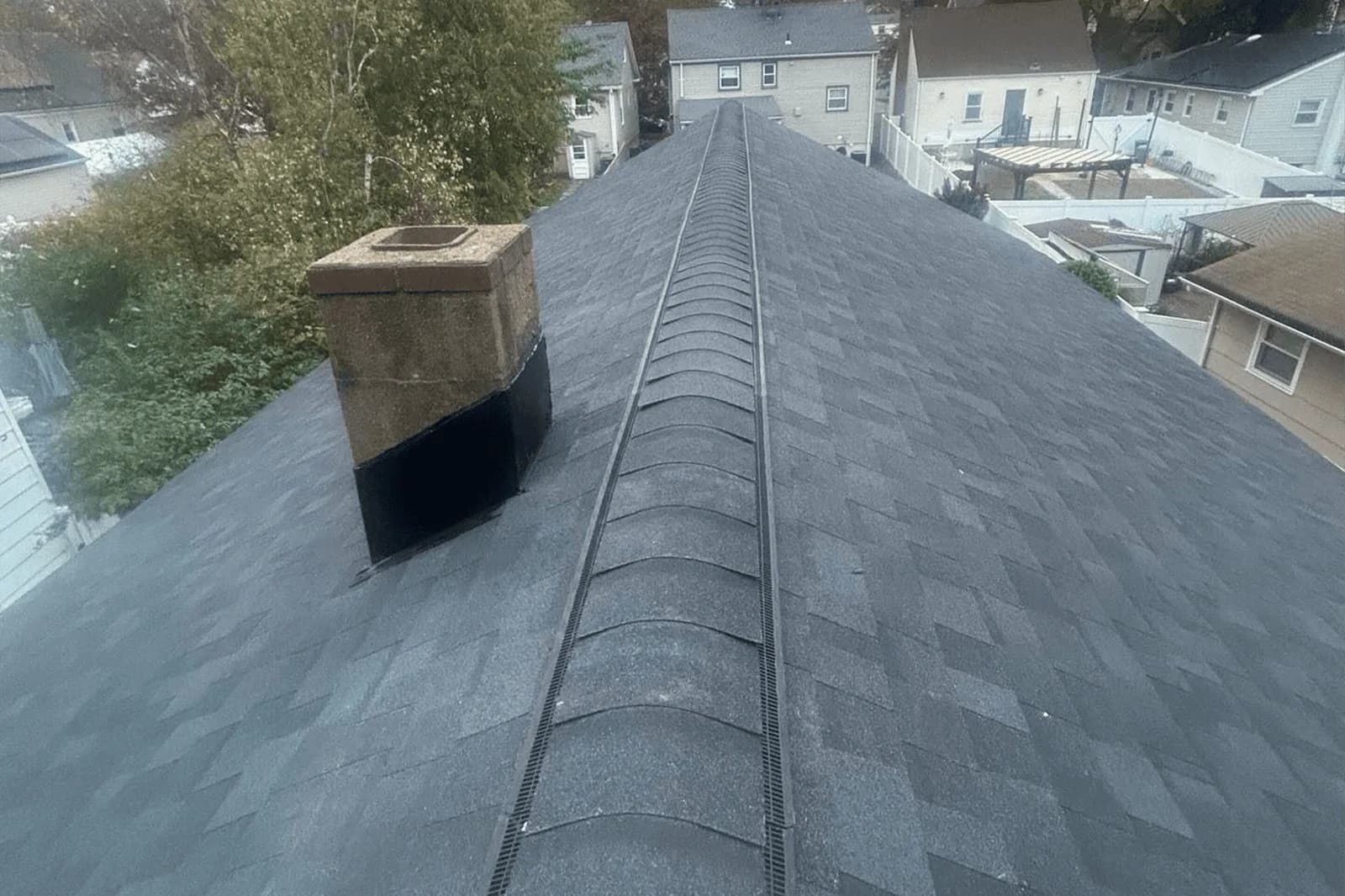
Start with a simple photo record
Choose a few safe viewpoints around your property and photograph the same rooflines, siding, and gutters each season. Add the date and a short note. GAF recommends roof observations from the ground; you do not need to climb onto a roof to gather useful information.
This checklist helps you notice changes and plan follow-up. It is not a substitute for a professional inspection or your installed products’ maintenance instructions.
Spring: compare with last fall
After winter, compare the exterior with your earlier photos. Note new damage and unresolved concerns before booking repairs.
- Look for missing or displaced shingles from ground level.
- Record cracked siding, loose trim, or detached downspouts.
- Check indoor ceilings for new marks following rain or thawing.
- Arrange assessment of any recurring leak or visibly damaged area.
Summer: review surfaces and care instructions
Look for changes on exposed siding and trim. Before cleaning, identify the material and finish so the method matches the manufacturer’s guidance. James Hardie advises low-pressure cleaning for its siding; that instruction should not be assumed to cover every exterior product.
- Note loose panels, peeling finishes, or persistent staining.
- Check the care guide before choosing cleaners or equipment.
- Describe rooms with recurring drafts or uneven comfort.
- After a storm, record visible changes once conditions are safe.
Fall: plan drainage and repair follow-up
Use autumn to review items you have already noticed and arrange work that needs professional access. Keep the plan specific to your home rather than treating every seasonal task as a replacement project.
- Arrange gutter and downspout cleaning where needed.
- Report overflow, sagging, or water collecting near the house.
- Follow up on roof, chimney flashing, or siding concerns.
- Review open estimates and confirm which repairs remain outstanding.
Winter: monitor without climbing
Watch from indoors and ground level for new stains, ice at roof edges, loose materials, or changes following a storm. Note whether the problem appears during freezing weather or when temperatures rise.
Do not climb onto an icy roof or try to remove attached ice yourself. Contact a qualified professional about the condition and appropriate next steps.
Turn the checklist into a work list
At the end of each review, give every concern a next action. This keeps useful observations from becoming a collection of forgotten photos.
- Arrange assessment: active leaks, displaced materials, or a change that is progressing.
- Schedule maintenance: an identified care task with a suitable method and safe access.
- Keep a record: an unchanged appearance concern to discuss at the next planned review.
- Contact Vesta: share your New Jersey property address, photos, and roofing or siding questions for a free estimate.